
The history of the waspie corset is a fascinating journey that spans centuries, evolving from a purely functional garment to a modern fashion statement. From the tight waist cinchers of the Victorian era to today’s stylish and comfortable waist trainers, the waspie corset has remained a symbol of elegance, femininity, and empowerment. In this blog post, we’ll explore its evolution, types, and cultural impact, while also highlighting how it has adapted to modern fashion trends.
What is a Waspie Corset?
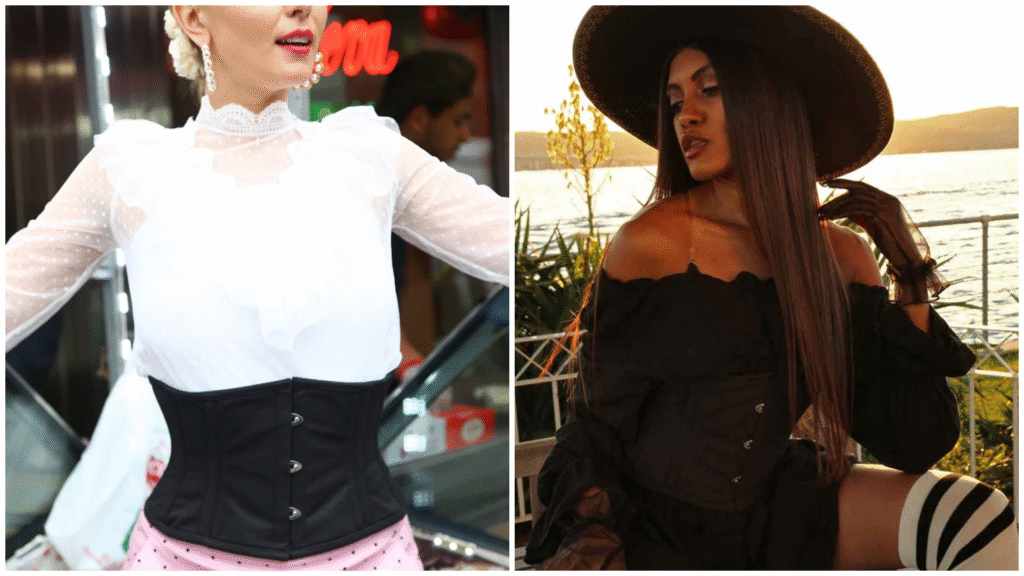
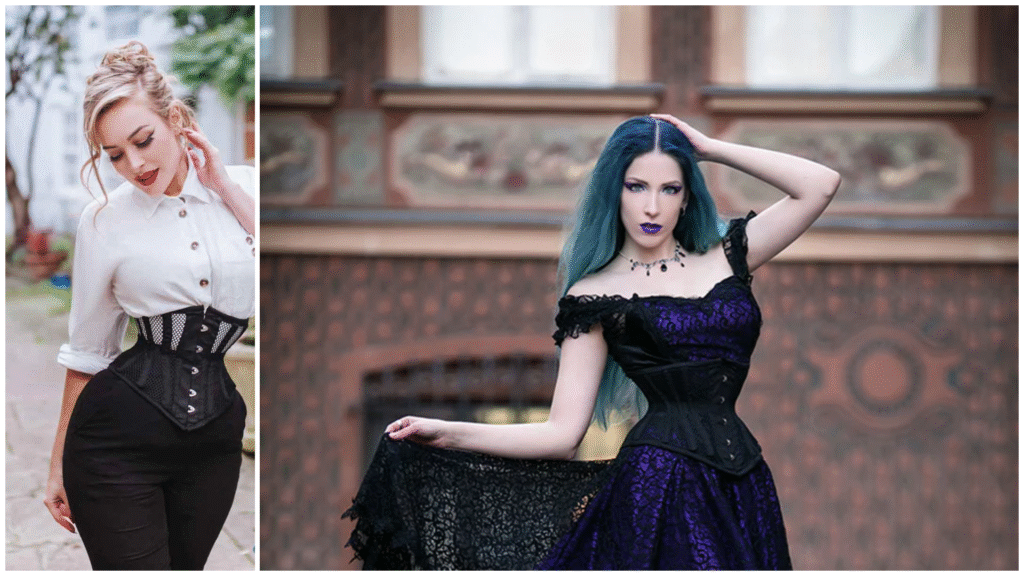
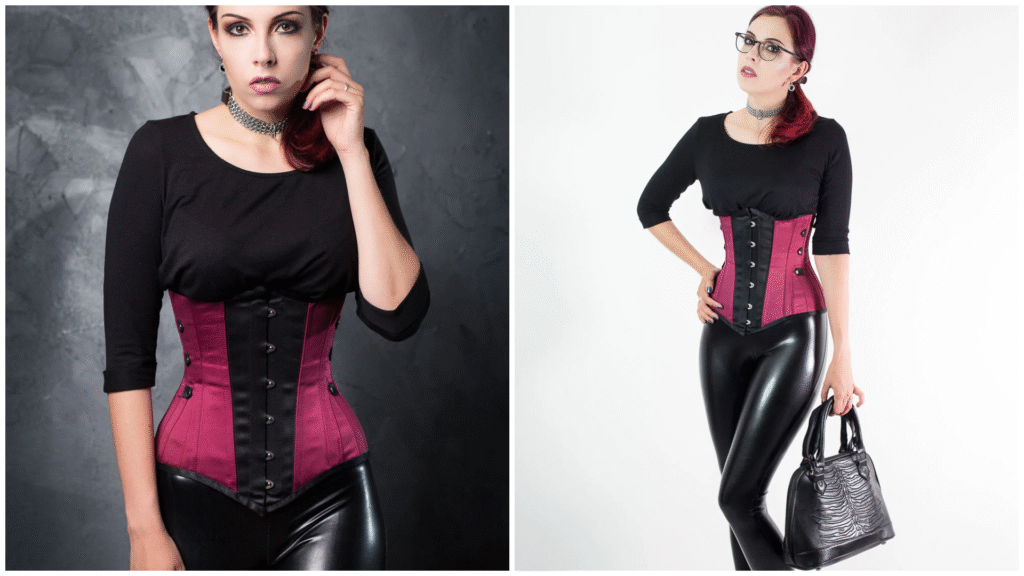
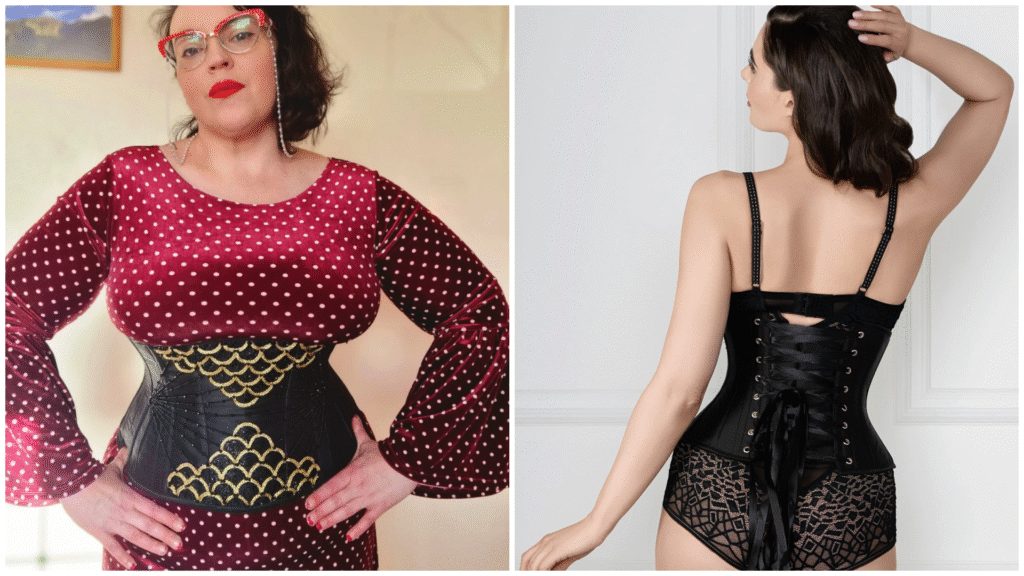
A waspie corset is a short, waist-focused corset that cinches the midsection, creating a distinct hourglass silhouette. Unlike traditional full-length corsets, waspies emphasize the waist without covering the bust or hips. They are often used for waist training, body shaping, or as a stylish accessory over dresses and tops.
Key Features of a Waspie Corset:
- Short and waist-focused design
- Adjustable laces for a snug fit
- Provides posture support
- Can be used for fashion or waist training
The Origins: Victorian and Edwardian Era
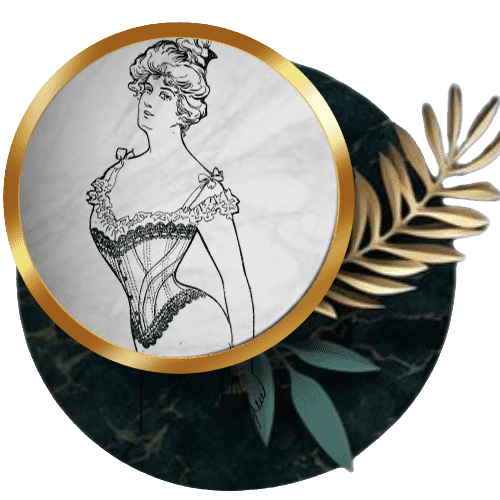
The waspie corset first gained popularity in the late 19th and early 20th centuries. Women wore tight waist cinchers to achieve the ideal hourglass figure, which was highly admired in Victorian and Edwardian societies. Early waspie corsets were often made of heavy fabrics and steel boning, designed more for shaping than comfort.
| Era | Features | Purpose | Popularity |
|---|---|---|---|
| Victorian (1837–1901) | Steel boning, heavy fabric | Hourglass shaping | High |
| Edwardian (1901–1910) | Lighter fabrics, S-bend silhouette | Posture & shape | Moderate |
| 1920s–1940s | Elasticized waists, shorter styles | Comfort & fashion | Growing |
| Modern Era | Breathable fabrics, adjustable laces | Waist training & styling | Very High |
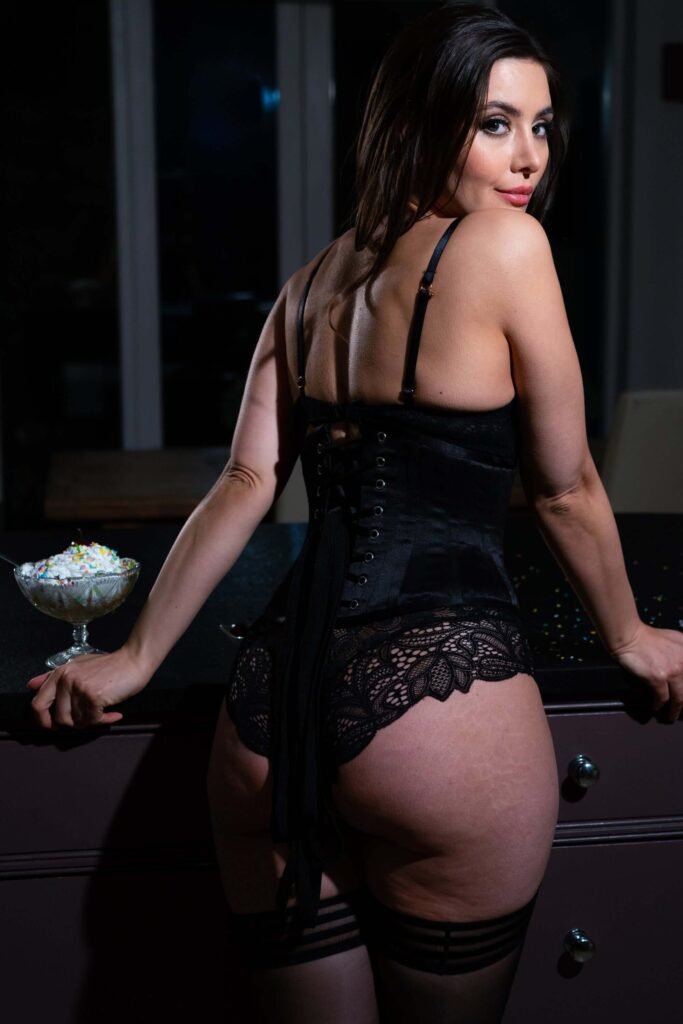
Waspie Corsets in the 20th Century
During the 1920s, fashion trends shifted toward flatter silhouettes, but the waspie corset remained popular for those who wanted defined waists. In the 1940s and 1950s, cinched waists came back with full skirts and vintage fashion icons. Waspie corsets became shorter, lighter, and more comfortable, making them easier to wear under clothing or as statement pieces.
Modern Waspie Corsets: Fashion Meets Function
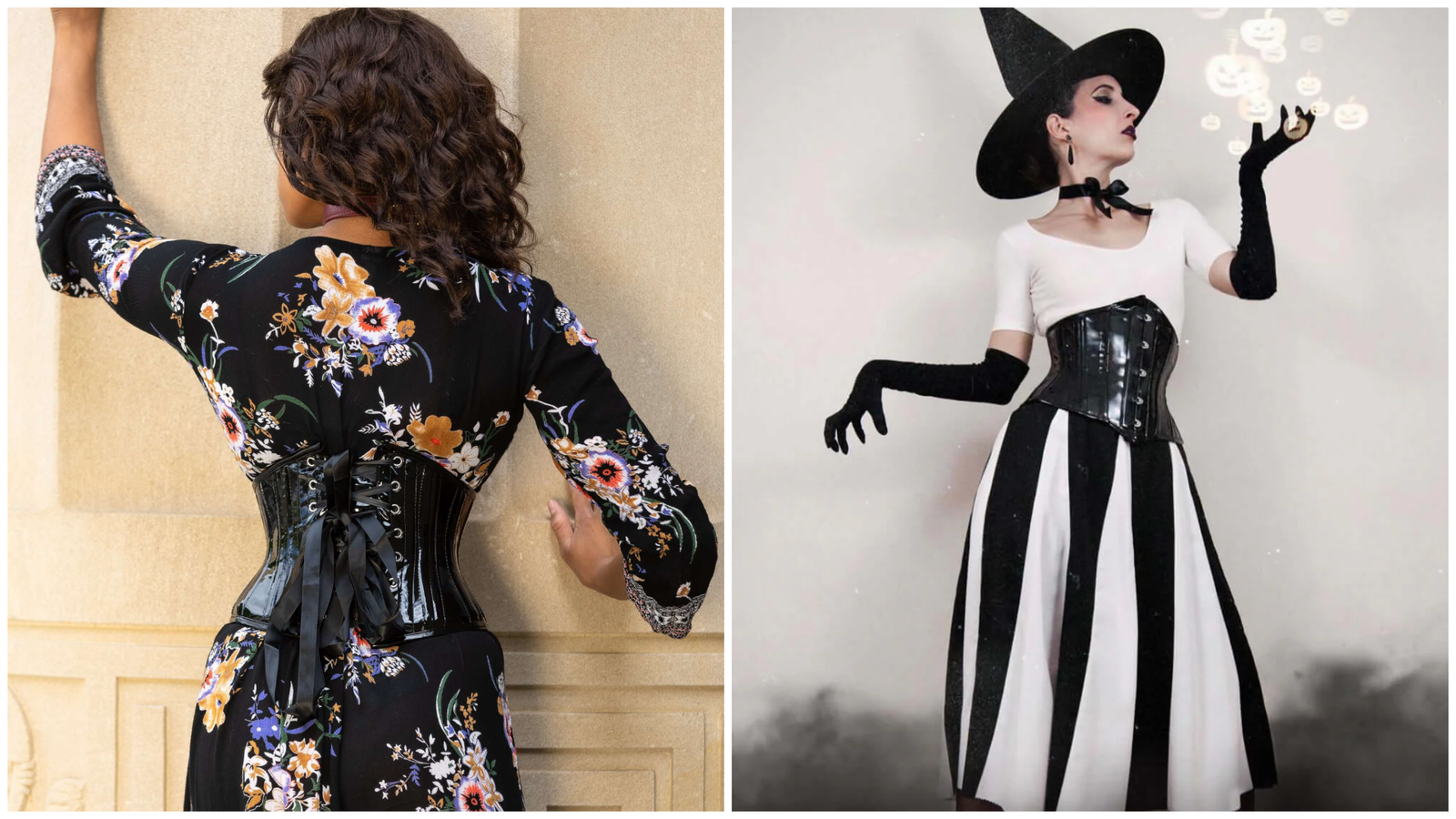
Today, the waspie corset is a versatile garment for fashion lovers, body shapers, and waist trainers alike. Modern materials like mesh, satin, and leather allow for both comfort and style. Many women use waspies for waist training, creating a smooth hourglass figure while also adding elegance to outfits. They can over blouses, dresses, or even casual tops, making them a must-have in modern wardrobes.
Popular Modern Styles:
- Leather waist cinchers
- Satin or silk waspie corsets
- Mesh breathable corsets
- Steel-boned hourglass trainers
How the Waspie Corset Became a Fashion Icon
The waspie corset’s transformation from a strict undergarment to a fashion accessory reflects the broader history of women’s clothing. Modern designers celebrate its vintage charm while offering comfort and flexibility. Celebrities and influencers have popularized styling waspies over clothes, making them a versatile piece in contemporary fashion.
Why the Waspie Corset Remains Relevant Today
- Enhances the waistline naturally
- Offers posture support
- One can wear it special events or daily styling
- Ideal for waist training without full-length restriction
- Adds a vintage-inspired touch to modern outfits
The enduring popularity of waspie corsets proves their perfect balance of style, functionality, and historical charm.
Final Thoughts
Understanding the history of the waspie corset gives us an appreciation for its craftsmanship and evolution. From Victorian waist cinchers to today’s modern, comfortable designs, the waspie remains an iconic piece for fashion, waist shaping, and empowerment. Whether you’re looking to embrace vintage fashion, enhance your hourglass figure, or explore waist training, the waspie corset offers timeless appeal.