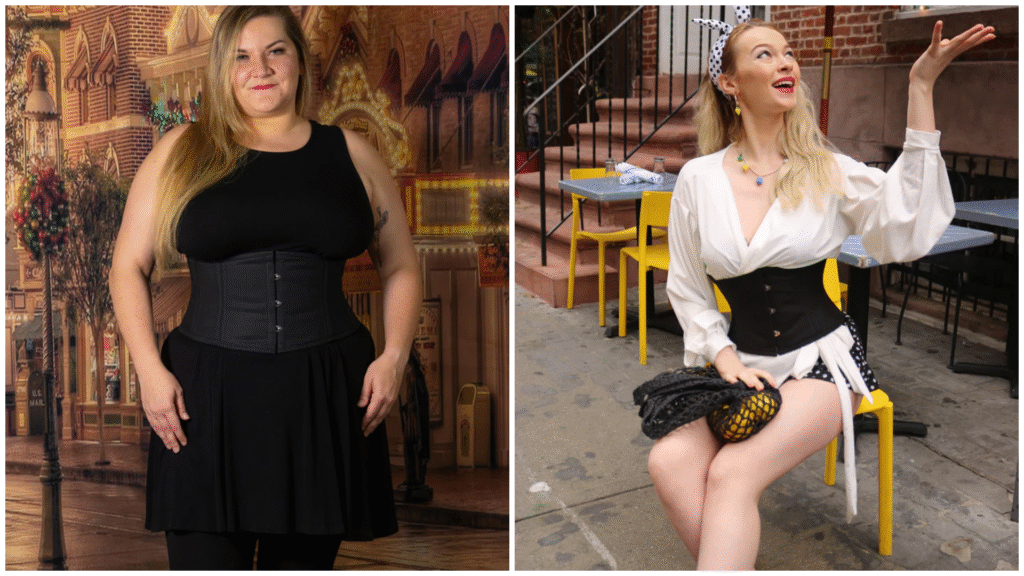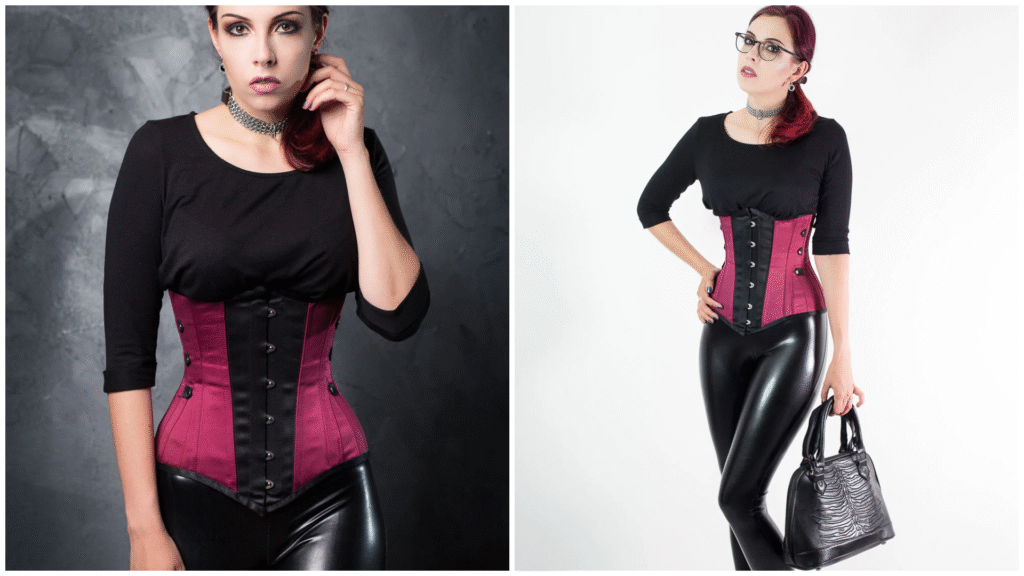


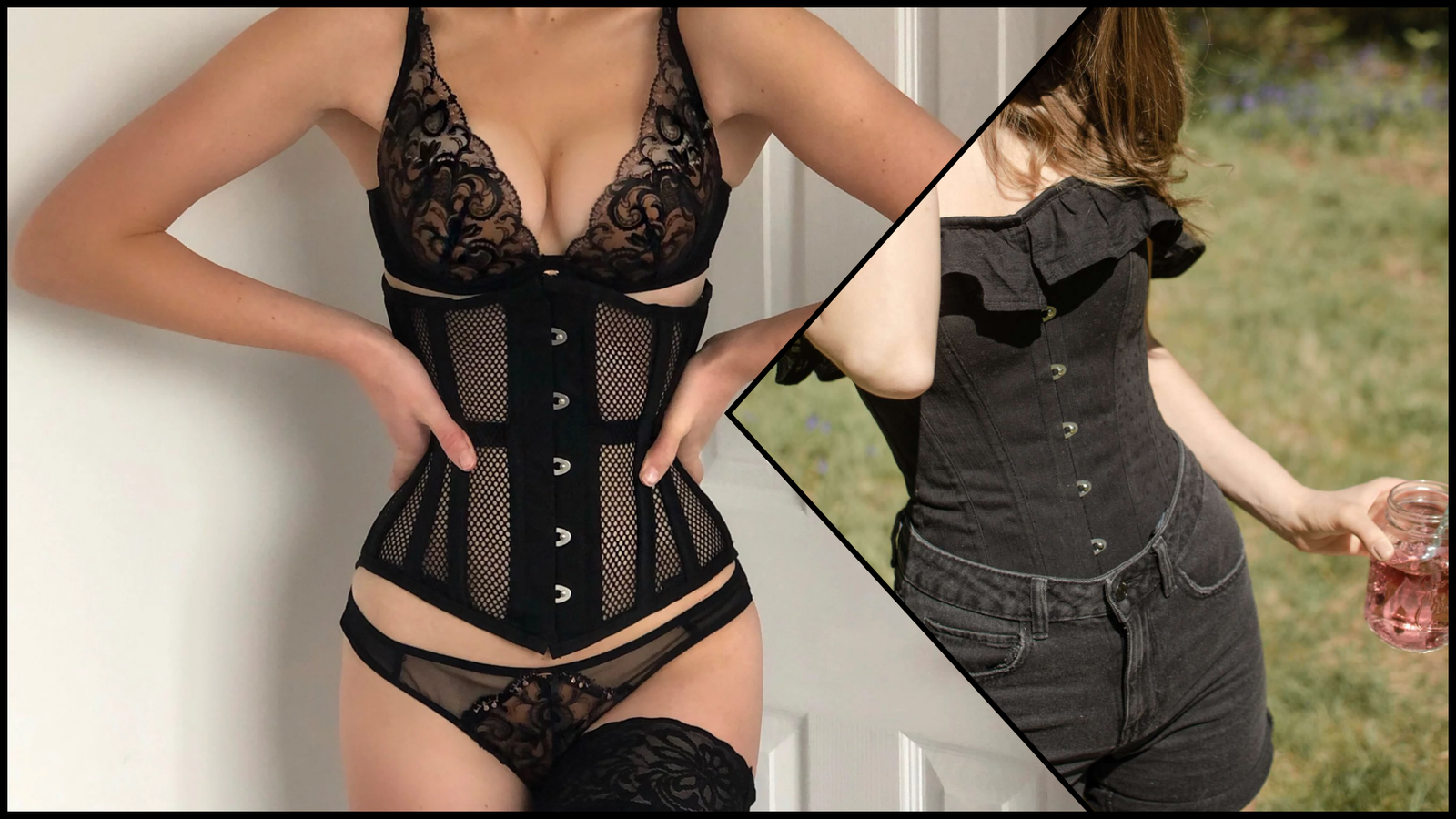
Waist training has become a popular way for women to achieve a sculpted waistline, improve posture, and enhance confidence. However, when it comes to choosing the right tool, many wonder: waist trainer vs corset – which one is better for waist training? Both options have their benefits, but understanding the differences in design, comfort, and effectiveness is crucial to making the right choice for your body and lifestyle.
In this guide, we’ll explore the features, pros, and cons of both waist trainers and corsets, so you can decide which option is ideal for your waist training goals.
What is a Waist Trainer?
A waist trainer is a modern garment designed to compress the midsection, creating a slimmer waist instantly while encouraging long-term shaping. Waist trainers are typically made from flexible fabrics like latex, cotton, or mesh, and often include adjustable hook-and-eye closures, Velcro straps, or zippers.
They are lightweight, breathable, and intended for everyday wear or during workouts. The main goal is gradual waist reduction combined with posture support. Many women choose waist trainers for convenience, comfort, and the ability to wear them under clothing discreetly.
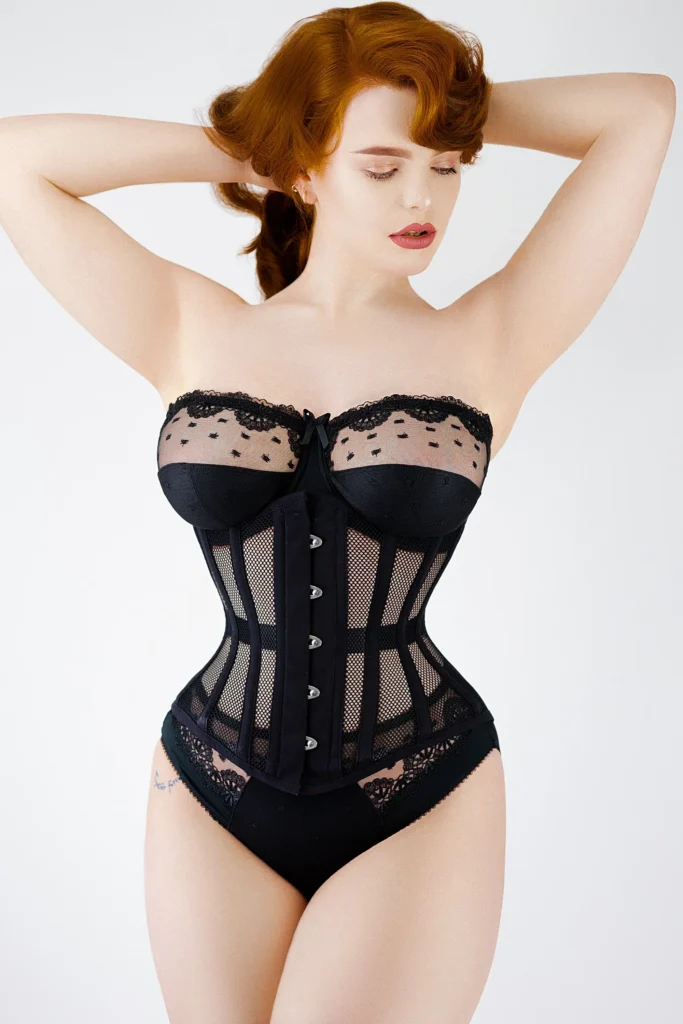
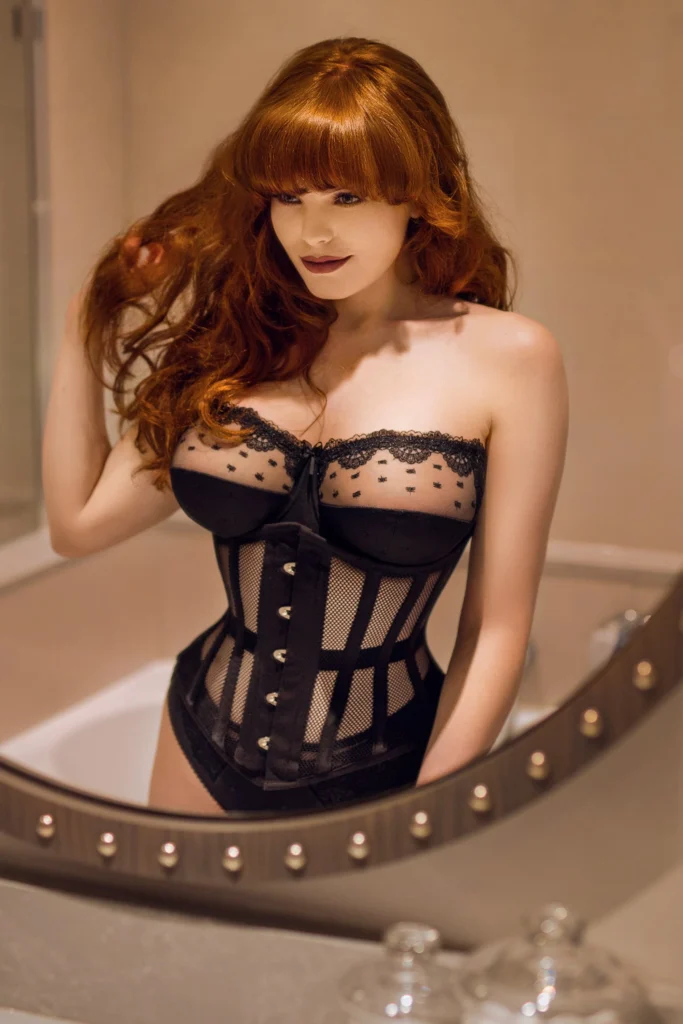
What is a Corset?
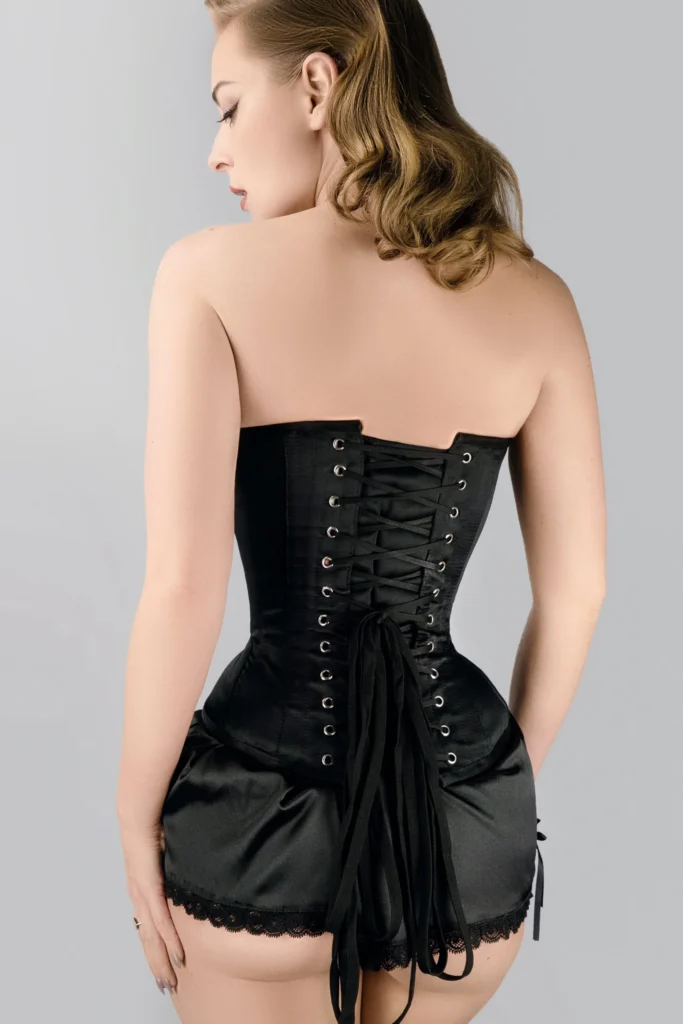
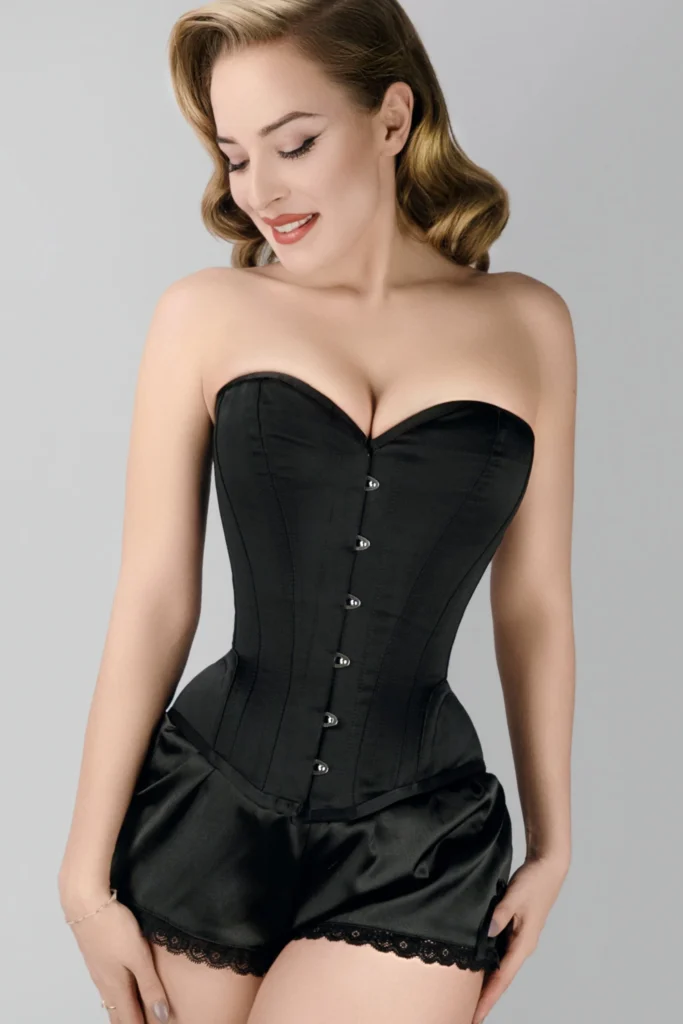
Corsets, on the other hand, are traditional garments with a long history, dating back to Victorian fashion. Made from sturdy fabrics such as brocade, satin, or leather, corsets feature structured boning—often steel—to provide dramatic shaping. Overbust corsets cover the bust and waist, while underbust corsets start below the bust, offering more styling flexibility.
Corsets provide strong compression, which is excellent for achieving a pronounced hourglass figure, but they can be less flexible and more rigid compared to waist trainers. They are often worn for fashion, cosplay, or special occasions, but some women use them for intensive waist training.
Key Differences Between Waist Trainers and Corsets
To make the decision easier, it’s important to understand how these two garments differ in design, comfort, and usage.
| Feature | Waist Trainer | Corset |
|---|---|---|
| Material | Latex, cotton, mesh | Brocade, satin, leather |
| Boning | Flexible plastic or light steel | Steel boning, strong structure |
| Comfort | High, suitable for long wear | Moderate, more restrictive |
| Waist Reduction | Gentle, gradual shaping | Strong, dramatic shaping |
| Purpose | Everyday use, workouts, posture support | Fashion, cosplay, intensive waist training |
| Adjustability | Hook-and-eye, Velcro, zipper | Lace-up back for custom fit |
This table highlights that waist trainers prioritize comfort and versatility, while corsets focus on structure and intense shaping.
Benefits of Waist Trainers
Waist trainers offer a balance between functionality and convenience. They are lightweight, allowing women to wear them for several hours without discomfort. The breathable fabrics reduce sweating and irritation, making them ideal for long-term daily use.
In addition to shaping the waist, waist trainers provide gentle posture support, helping alleviate slouching and mild back discomfort. They are also discreet, fitting under most outfits without adding bulk. For beginners or those looking for gradual waist reduction, waist trainers are often the preferred choice.
Benefits of Corsets
Corsets are designed to provide dramatic waist shaping and a striking hourglass figure. The steel boning ensures maximum structure, which not only shapes the waist but also supports the back. Overbust corsets can enhance the bustline while underbust corsets allow for more styling flexibility with blouses and dresses.
Many women wear corsets for fashion purposes or special events where dramatic shaping is desired. Additionally, corsets are ideal for intensive waist training sessions, as their strong structure allows for more noticeable results over time.
How to Choose Between a Waist Trainer and a Corset
Choosing the right garment depends on your goals, comfort level, and lifestyle. If your main priority is everyday comfort, posture support, and subtle waist shaping, a waist trainer is ideal. Its lightweight design allows for long-term wear and flexibility.
If your goal is dramatic waist reduction, intensive shaping, or creating a vintage fashion look, a corset is the better choice. However, be prepared for a more restrictive fit and limited daily wear. Many women even combine both: wearing waist trainers for daily use and corsets for special occasions or intensive waist training sessions.
Tips for Effective Waist Training
No matter which option you choose, proper use is essential. Always select the correct size, gradually increase wearing time, and listen to your body. Wearing a Waist Trainer vs Corset too tightly can cause discomfort, so start slowly and adjust as needed. Pairing waist training with regular exercise and a balanced diet enhances results, ensuring a natural and healthy transformation.
For corsets, make sure the laces are tightened evenly and avoid prolonged wear until your body is accustomed to the structure. Waist trainers, being more flexible, allow you to wear them while walking, working, or performing light workouts without risk.
Final Thoughts
When it comes to waist trainer vs corset, there is no one-size-fits-all answer. The choice depends on your comfort, goals, and lifestyle. Waist trainers are perfect for everyday wear, gentle shaping, and posture support. Corsets offer dramatic shaping, a structured hourglass figure, and a classic aesthetic suitable for fashion or intensive training.
Ultimately, the best choice is the one that allows you to wear it consistently, feel confident, and achieve your waist training goals safely. Many women find success combining both tools—using best waist trainers for daily support and corsets for special shaping sessions. By understanding the differences, you can make an informed decision and embrace your waist training journey with confidence.