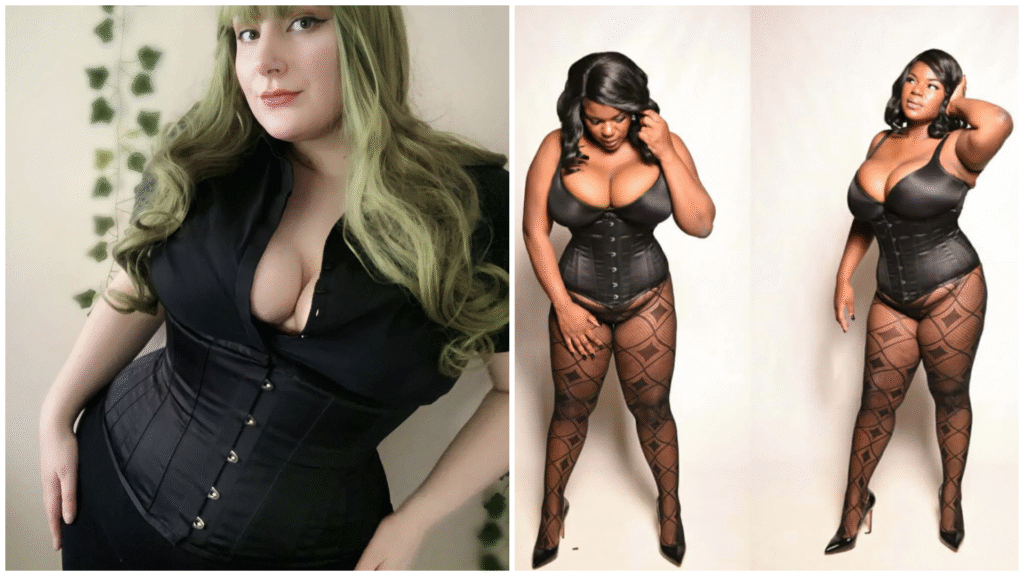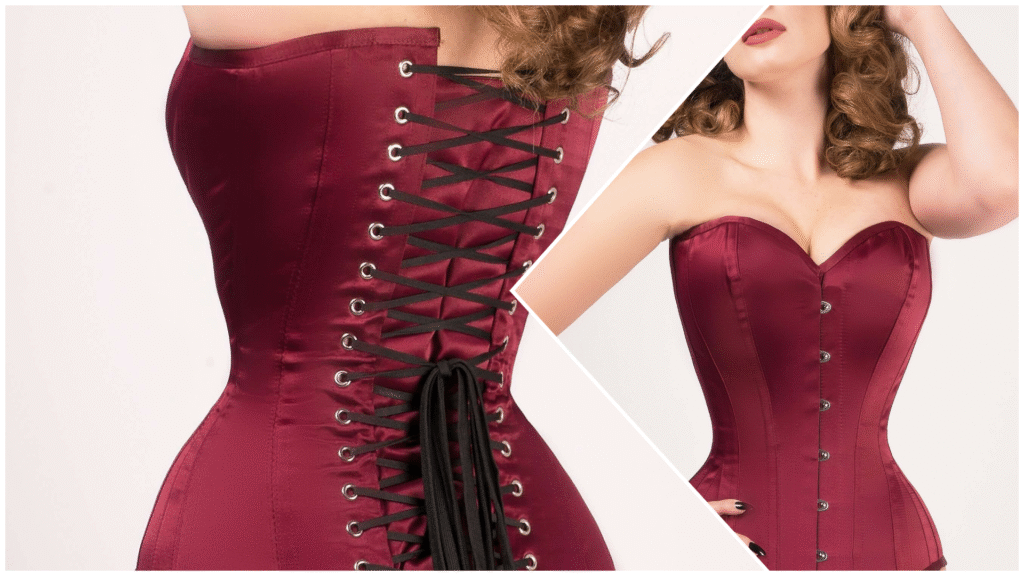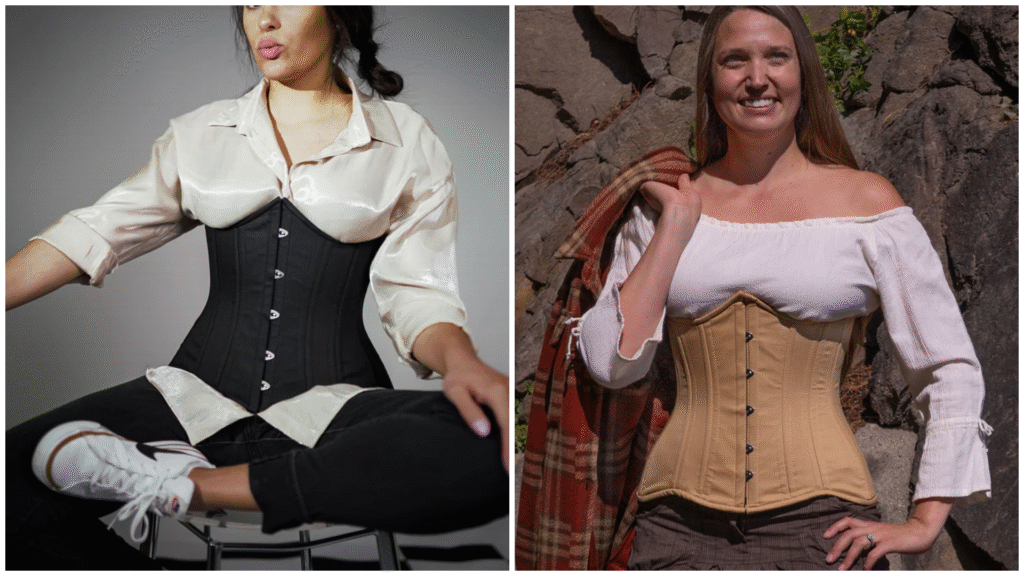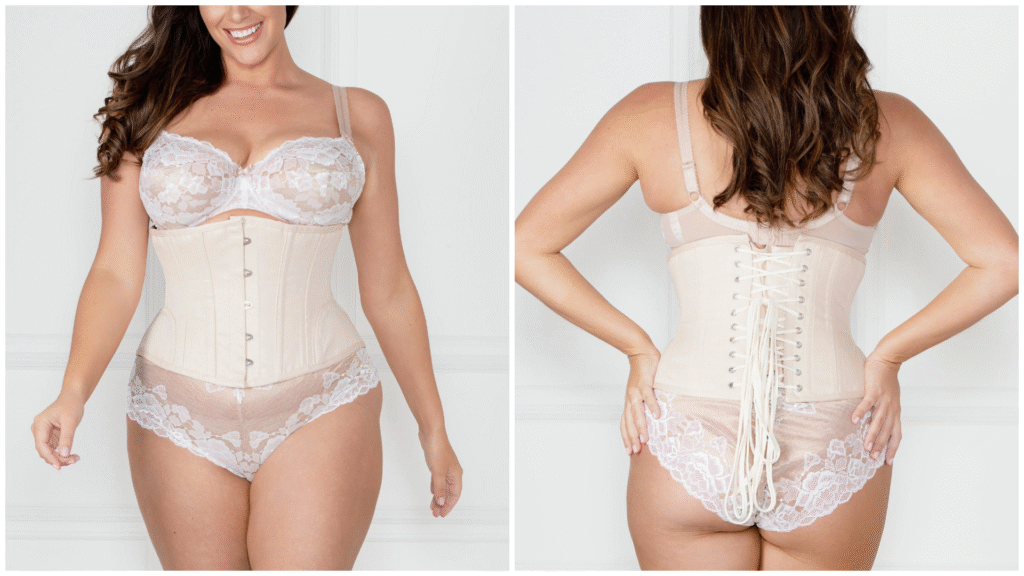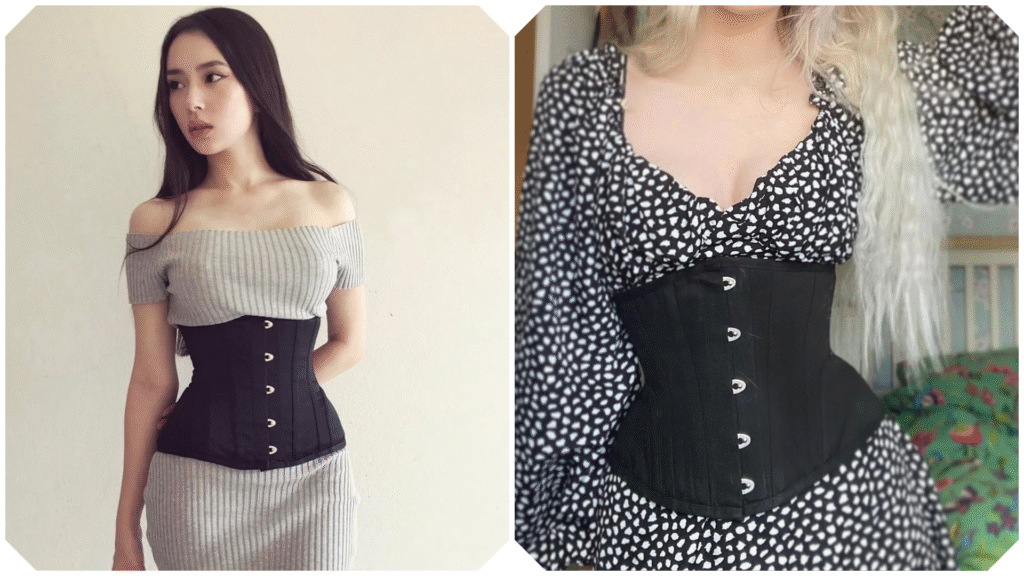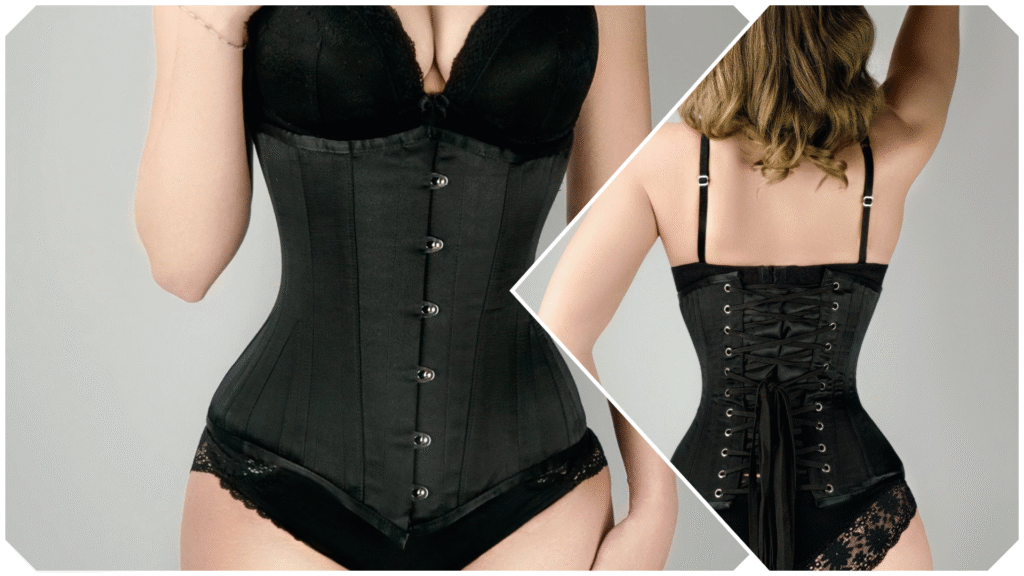



Waist training has become one of the most popular ways for women to achieve a slimmer waistline, improve posture, and create that beautiful hourglass figure. But while waist trainers and corsets can deliver amazing results, many women fall into common traps that slow progress or even cause discomfort. Understanding these waist training mistakes and learning how to avoid them is the key to a safe and effective journey.
In this guide, we’ll cover the Top Waist Training Mistakes Women Make, explain how to correct them, and share tips to maximize your results with comfort and confidence.
Why Women Choose Waist Training
Before diving into mistakes, let’s look at why women embrace waist training. The main goals often include waist reduction, postpartum recovery, better posture, or enhancing workouts. When done correctly, waist training can complement a healthy lifestyle, but only if women take the right approach and avoid shortcuts.
Waist Training Mistake #1: Buying the Wrong Size
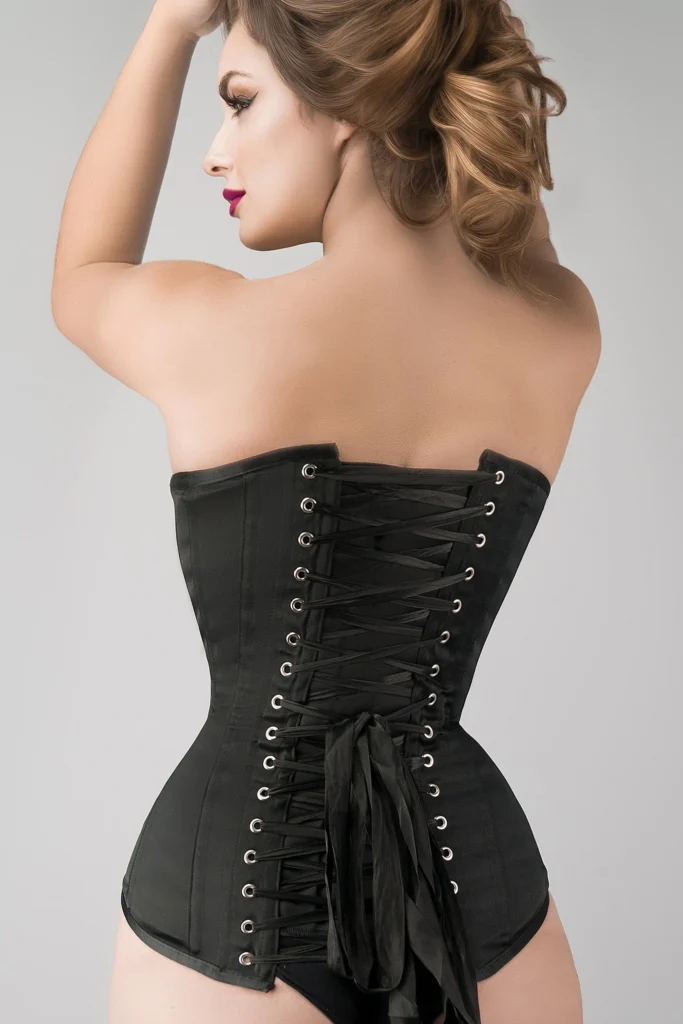
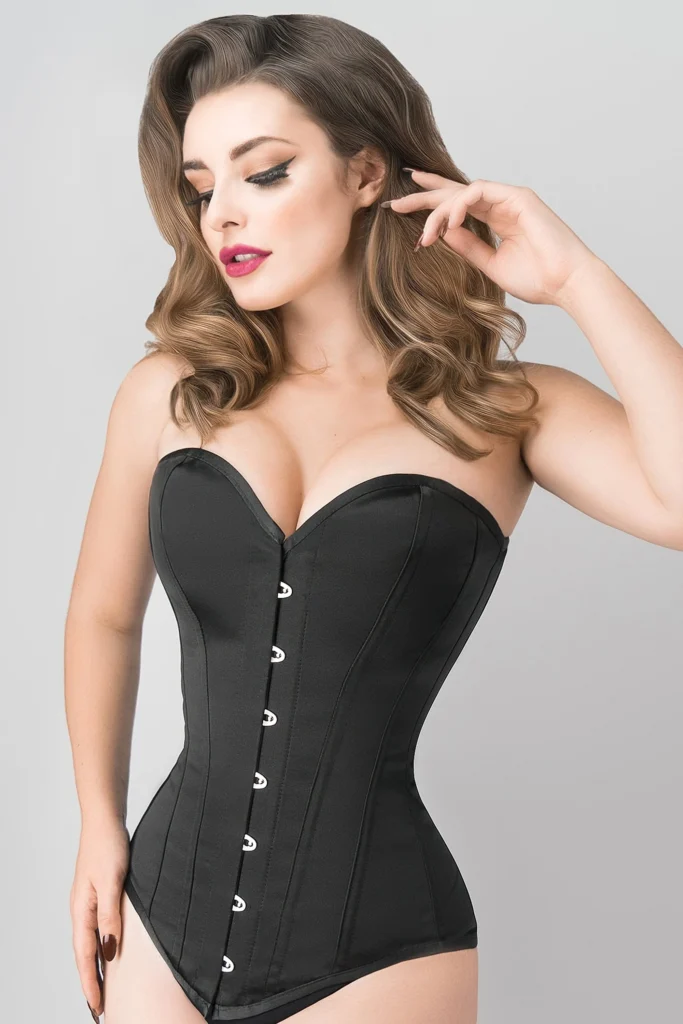
One of the most common mistakes women make is choosing a waist trainer based on clothing size instead of body measurements. A trainer that’s too small can restrict breathing and cause pain, while one that’s too big won’t give the desired compression.
How to Avoid It:
Always use a measuring tape to check your natural waist, underbust, and torso length. Compare these numbers to a sizing chart rather than guessing your size.
Waist Training Mistake #2: Wearing It Too Long Too Soon
Another mistake is wearing a waist trainer for long hours from the very first day. While it may feel like you’re speeding up results, this can actually cause discomfort and discourage consistency.
How to Avoid It:
Break in your waist trainer gradually. Start with 1–2 hours per day and add more time slowly until you reach 6–8 hours comfortably.
Waist Training Mistake #3: Over-Tightening the Trainer
Some women believe that the tighter the waist trainer, the faster the results. But over-tightening can cause bruising, limit movement, and affect breathing.
How to Avoid It:
Your waist trainer should feel snug, not suffocating. You should be able to breathe and move freely while still feeling supported.
Waist Training Mistake #4: Skipping Exercise and Nutrition
A waist trainer is a tool, not a magic solution. Some women rely on the trainer alone without adjusting their diet or adding workouts. This slows down progress and reduces long-term results.
How to Avoid It:
Pair waist training with a balanced diet, proper hydration, and regular exercise for the best results. Waist trainers work best when used as part of a healthy lifestyle.
Waist Training Mistake #5: Ignoring Torso Length
Every woman’s body is different. Choosing a waist trainer without considering torso length can lead to rolling, discomfort, or poor posture support.
How to Avoid It:
Measure your torso from under the bust to your lap while seated. This will tell you whether you need a short torso, regular, or long torso waist trainer.
Waist Training Mistake #6: Not Listening to Your Body
Some women push through discomfort thinking it’s normal. Ignoring pain signals can cause long-term issues.
How to Avoid It:
Always listen to your body. If you feel sharp pain, difficulty breathing, or numbness, take off the trainer immediately. Waist training should never hurt.
Table: Common Waist Training Mistakes & Solutions
| Mistake | Why It’s a Problem | How to Avoid It |
|---|---|---|
| Buying the wrong size | Causes discomfort or poor results | Measure waist, underbust, and torso length |
| Wearing it too long too soon | Leads to pain and discouragement | Start with 1–2 hours, increase gradually |
| Over-tightening the trainer | Affects breathing, posture, comfort | Keep it snug but not suffocating |
| Skipping exercise and nutrition | Slows results and effectiveness | Combine with workouts and healthy eating |
| Ignoring torso length | Rolling or poor support | Measure torso and choose short, regular, or long |
| Not listening to your body | Risk of long-term harm | Remove trainer if pain or discomfort occurs |
Tips for Safe and Effective Waist Training
To get the most from waist training, stay consistent but patient. Wear your waist trainer during daily activities or workouts but always prioritize comfort. Combine it with core-strengthening exercises and proper hydration. Lastly, track your progress with photos and measurements instead of relying only on the mirror—this will help keep you motivated.
Conclusion
Waist training can be a powerful tool for women seeking an hourglass shape, better posture, or postpartum support. But the Top Waist Training Mistakes Women Make often come from rushing results or ignoring proper sizing. By measuring correctly, increasing wear time gradually, and combining waist training with healthy habits, you’ll set yourself up for safe, lasting success.
Remember, waist training is not about quick fixes—it’s about consistency, comfort, and confidence. Avoid these mistakes, listen to your body, and you’ll enjoy all the benefits waist training has to offer.