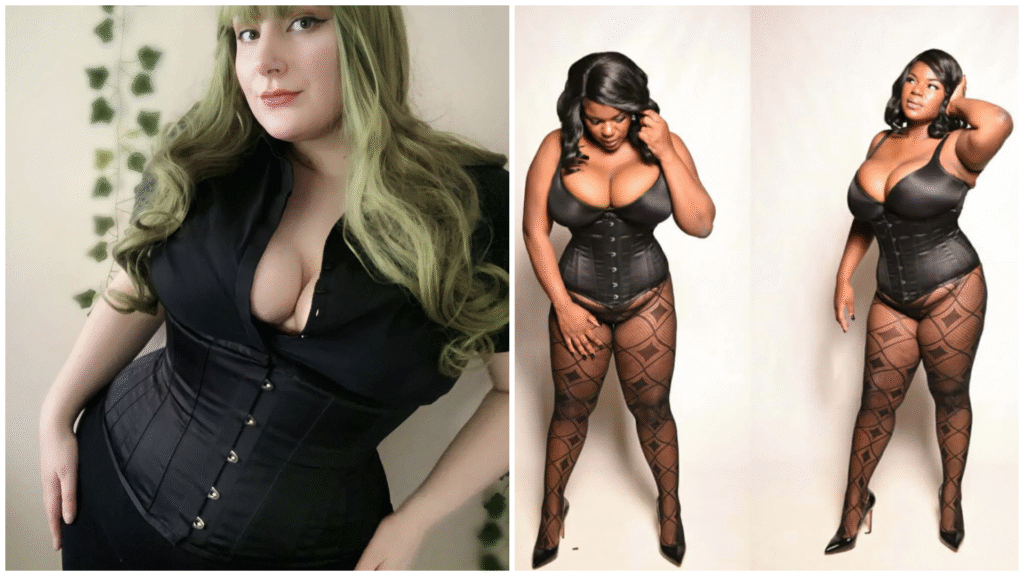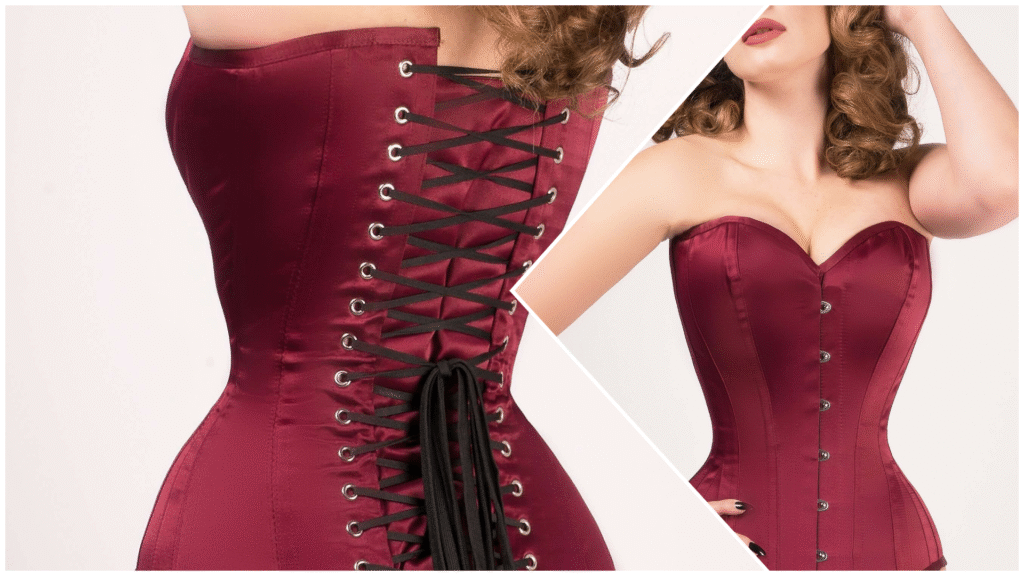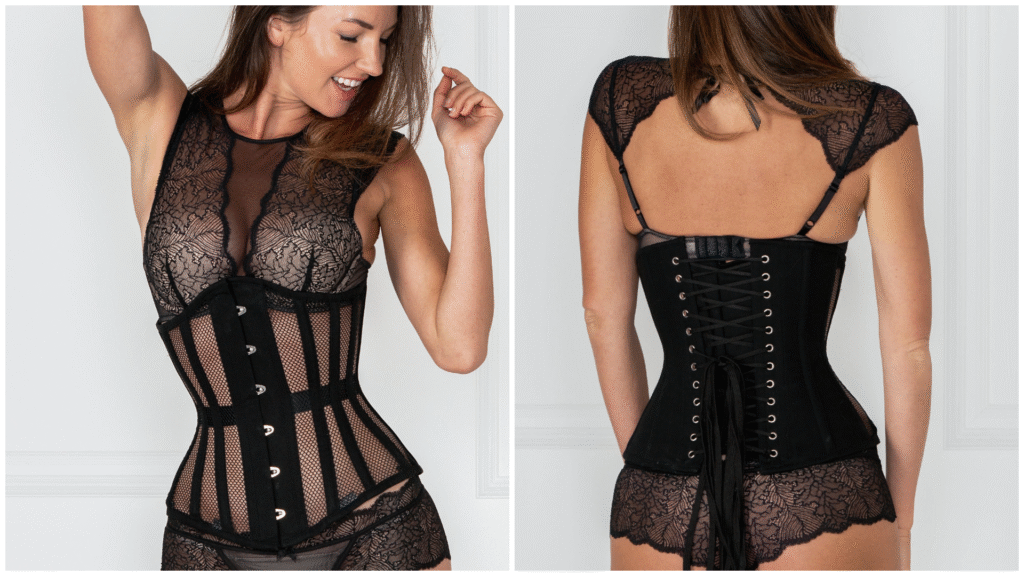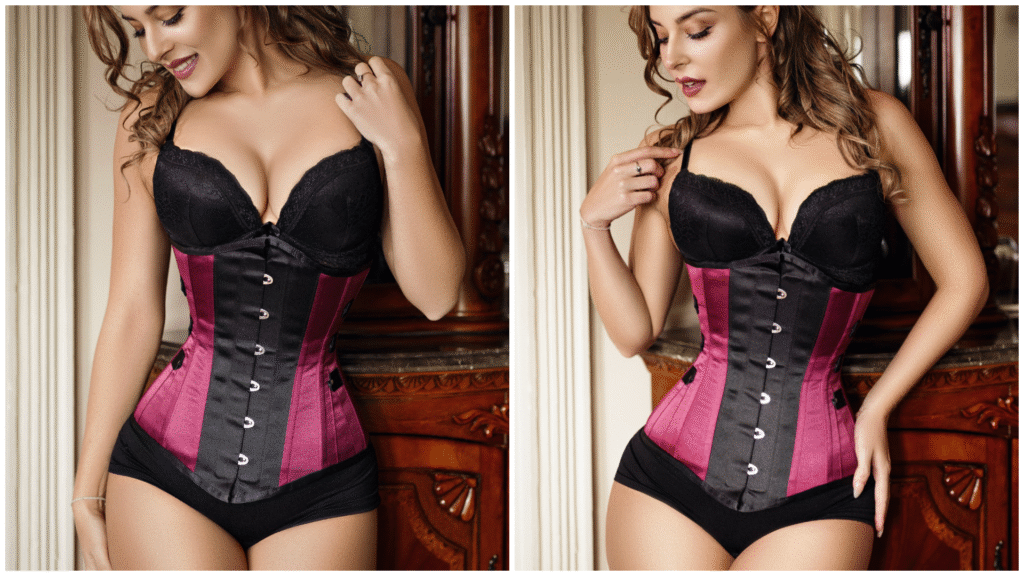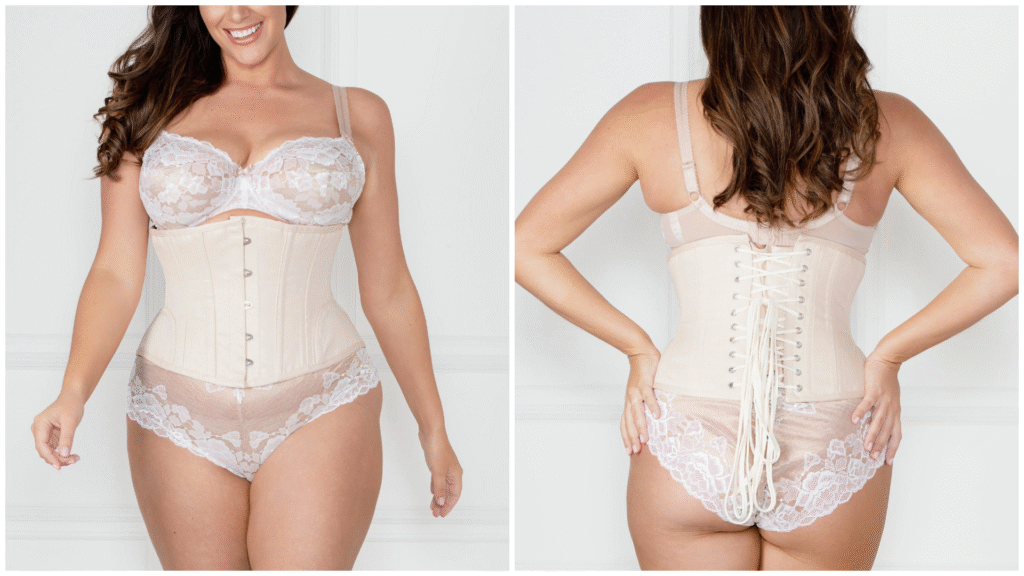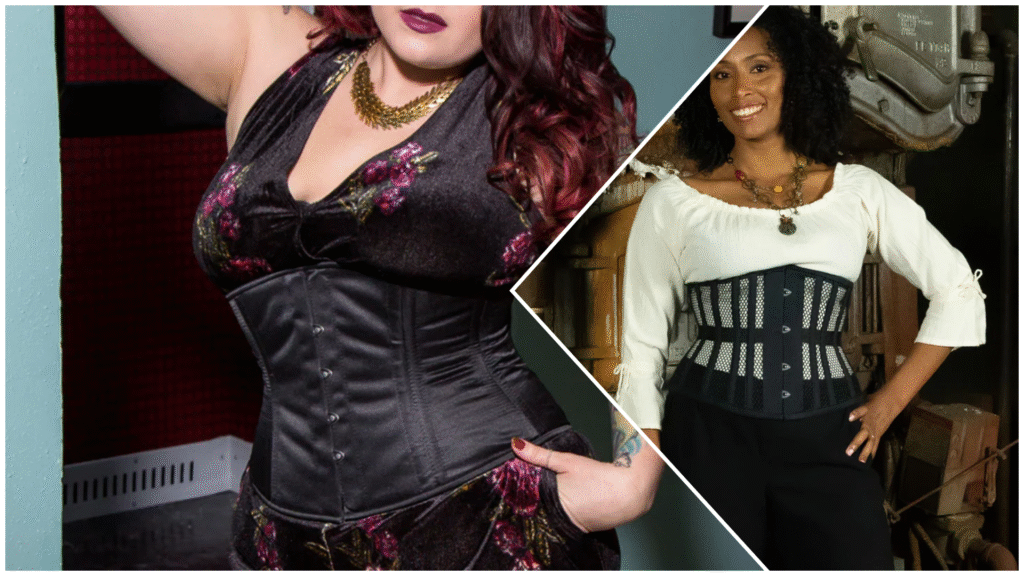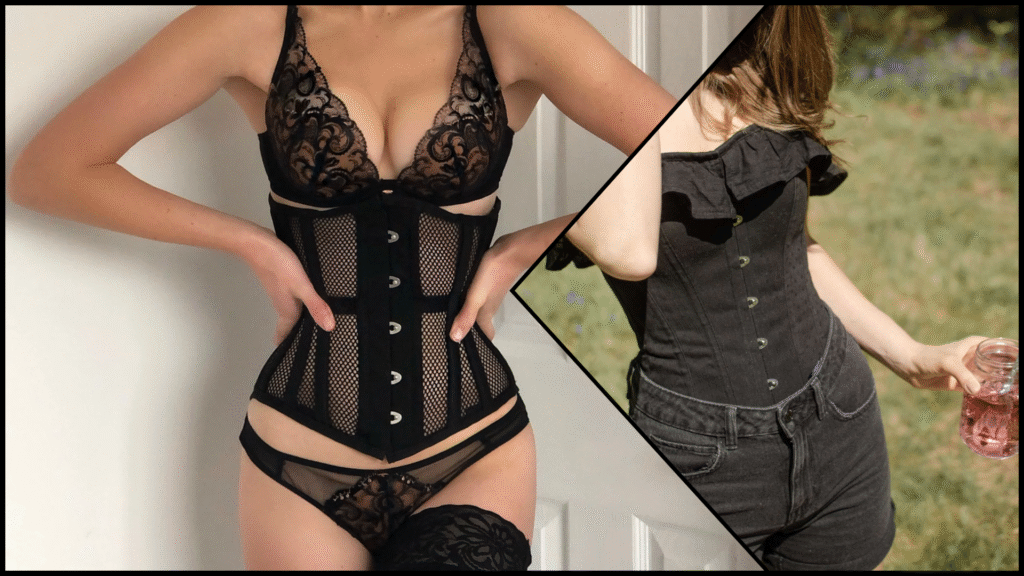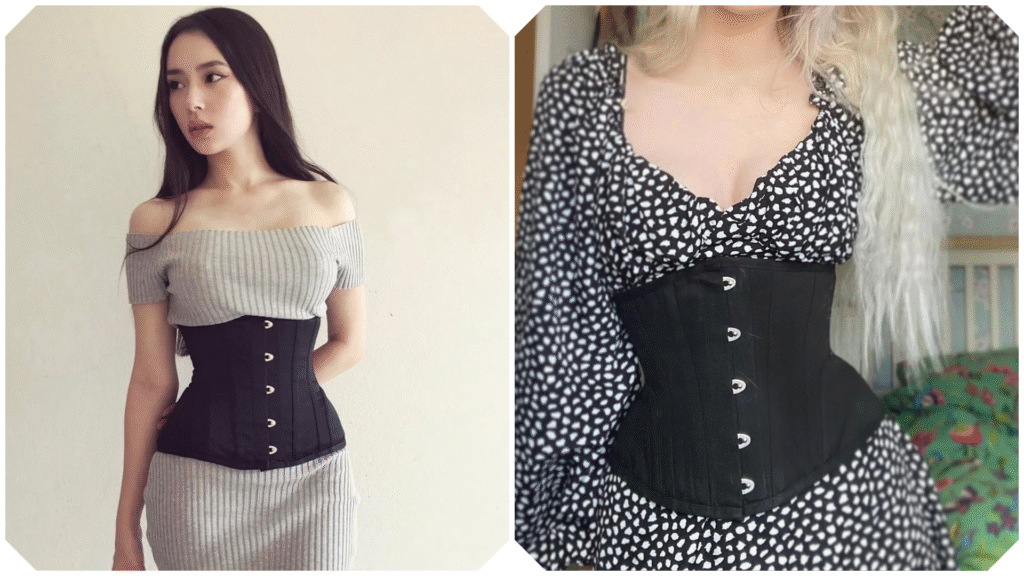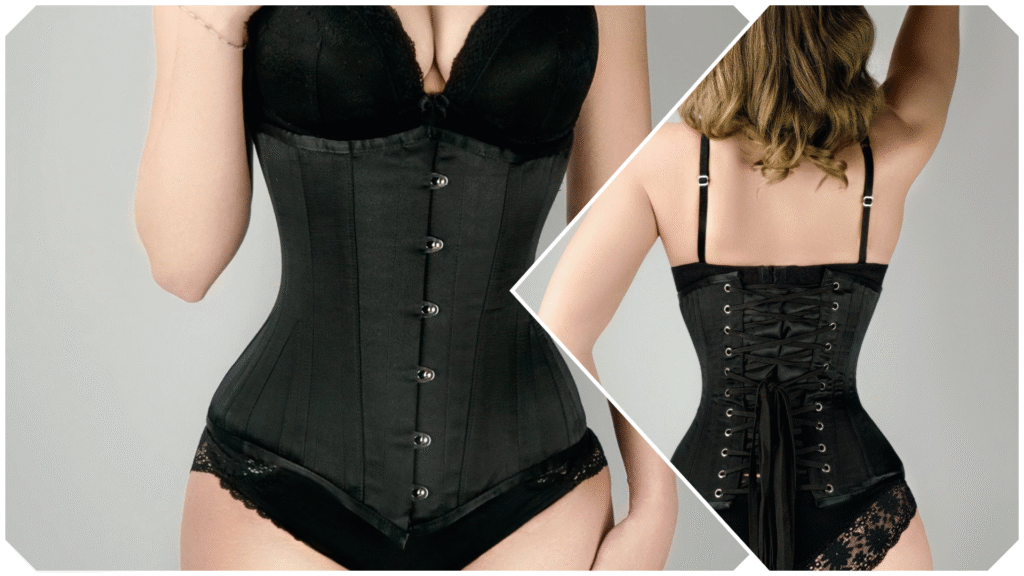


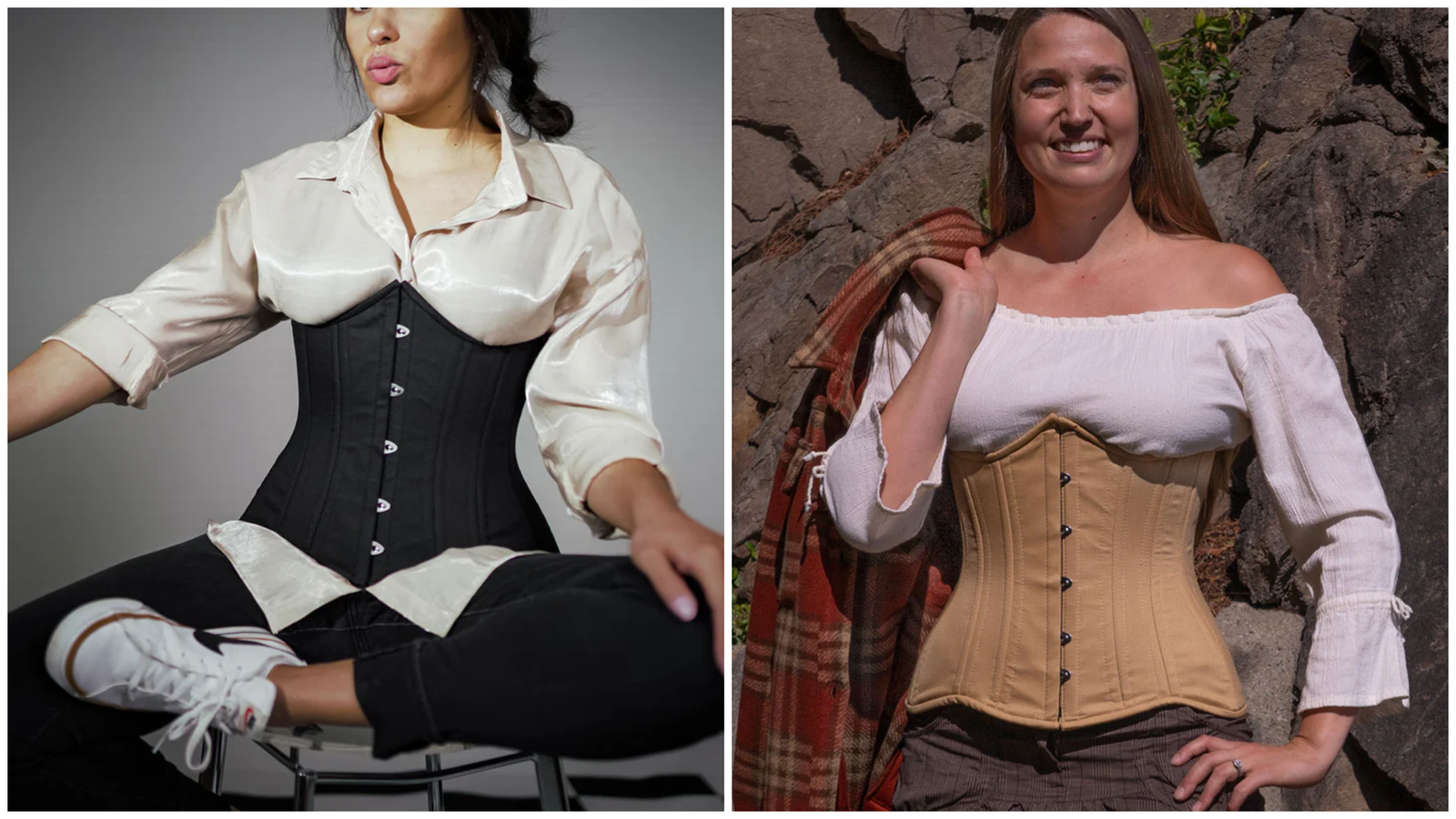
Finding the perfect waist trainer fit can make all the difference between a comfortable, effective waist training journey and one that feels frustrating. A waist trainer that fits correctly helps women achieve an hourglass shape, supports posture, and offers long-lasting comfort. But without proper measurements, you may end up with a trainer that’s too tight, too loose, or uncomfortable for everyday wear.
In this women’s guide, you’ll learn how to measure your body step by step, avoid common mistakes, and choose the best waist trainer for women that truly fits your lifestyle and goals.
Why the Perfect Waist Trainer Fit Matters
Wearing a waist trainer that fits your body correctly isn’t just about shaping your waist. It also plays a key role in posture support, back alignment, and even confidence. A poorly fitted trainer can cause pinching, breathing issues, or sliding during movement. On the other hand, the perfect waist trainer fit hugs your curves naturally while letting you move comfortably, whether at the gym, work, or home.
Step-by-Step Guide to Measuring for a Waist Trainer
Getting accurate body measurements ensures your waist trainer enhances your figure without compromising comfort. Here’s how to measure yourself correctly:
1. Measure Your Natural Waist
Find the narrowest part of your torso, usually just above the belly button. Wrap a flexible measuring tape around this area and keep it snug but not tight. This measurement is the most important for choosing the right size.
2. Measure Your Underbust
Place the tape right under your bust, around the ribcage. This helps when selecting underbust waist trainers, which need to fit securely in this area.
3. Measure Your Torso Length
Sit on a chair and measure from the base of your bust down to your lap. This determines whether you need a short torso, regular, or long torso waist trainer.
4. Measure Your Hips
For full corsets or long waist trainers, hip measurement ensures the garment won’t dig in or roll up.
Common Sizing Mistakes Women Make
Many women make the mistake of buying waist trainers based on dress size, but this can lead to the wrong fit. Always trust your tape measure, not the clothing tag. Another mistake is pulling the tape too tightly while measuring, which results in a trainer that feels restrictive. Remember: the right waist trainer should feel snug but allow for natural breathing.
Choosing the Right Waist Trainer for Your Body
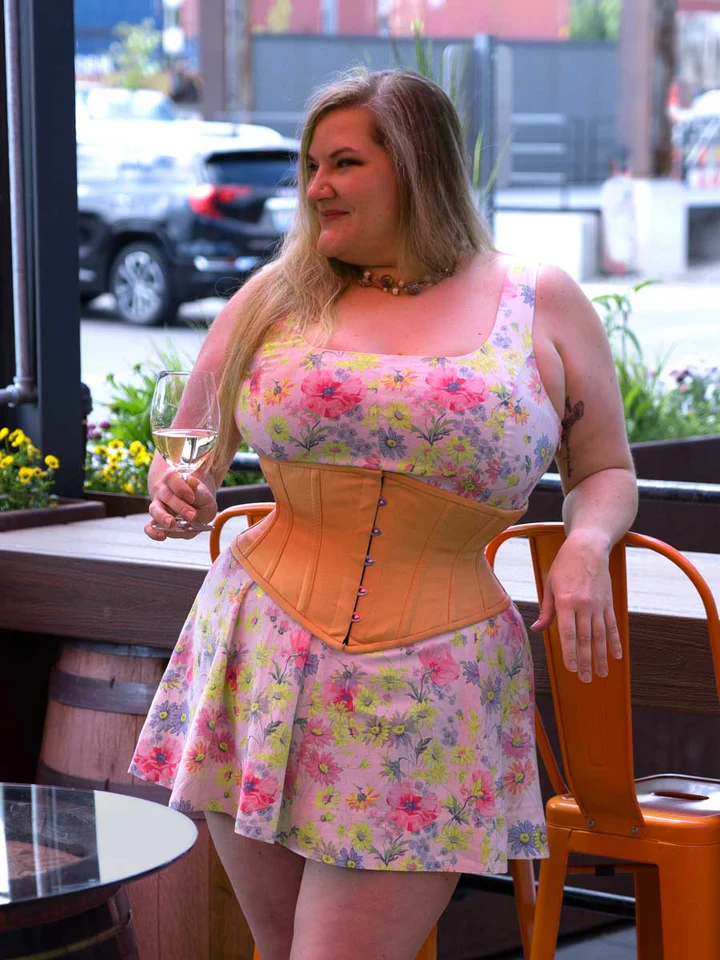
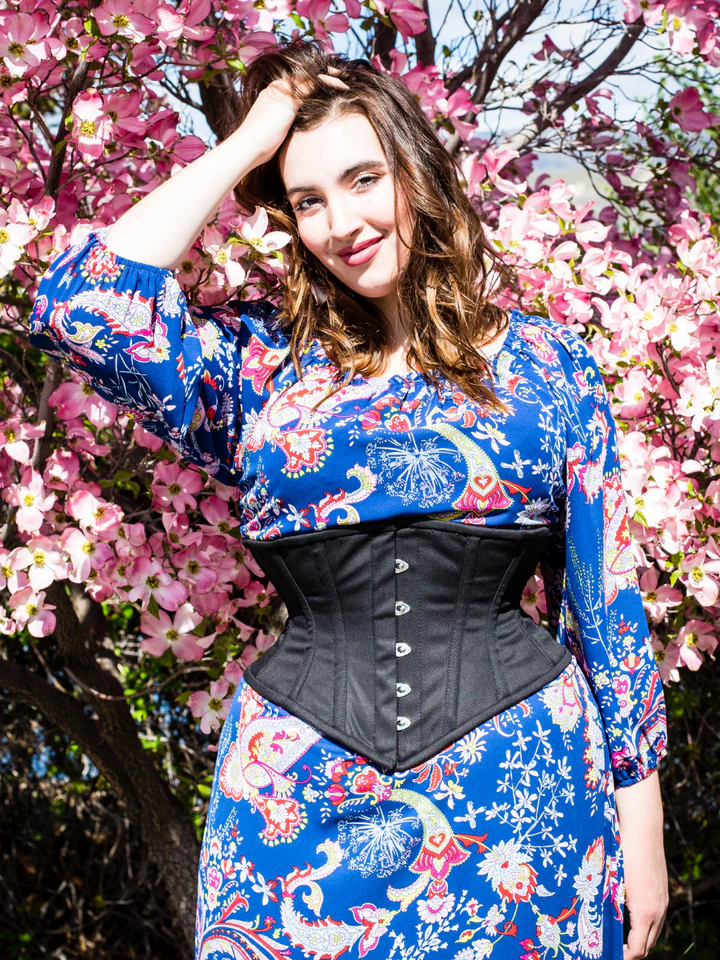
Once you have your measurements, compare them with the sizing chart provided by the waist trainer brand. Keep in mind your goals too—if you want intense waist training, go for a steel-boned corset, but if you want comfort for daily use or workouts, a latex or neoprene waist trainer might be the better option.
Table: Measurement Guide for the Perfect Waist Trainer Fit
| Measurement Area | How to Measure | Why It Matters |
|---|---|---|
| Natural Waist | Narrowest part of torso, above belly button | Determines core size of waist trainer |
| Underbust | Around ribcage under bust | Helps fit underbust waist trainers |
| Torso Length | From bust to lap while seated | Ensures correct torso length (short, regular, long) |
| Hips | Around fullest part of hips | Prevents rolling or discomfort with long trainers |
Tips for the Best Waist Trainer Experience
Wearing a waist trainer is about consistency and comfort. Always break in your new trainer slowly—start with 1–2 hours a day and increase gradually. Listen to your body and never over-tighten. Pairing waist training with a balanced diet, hydration, and exercise will bring the best results.
Conclusion
Learning how to measure for the perfect waist trainer fit is the first step toward achieving your waist training goals. A properly fitted waist corset will not only enhance your figure but also improve posture, give back support, and boost confidence. Take your time with measurements, avoid shortcuts, and choose a style that fits your lifestyle—whether that’s everyday wear, postpartum recovery, or workout sessions.
With the right fit, your waist training journey will be safe, comfortable, and effective.