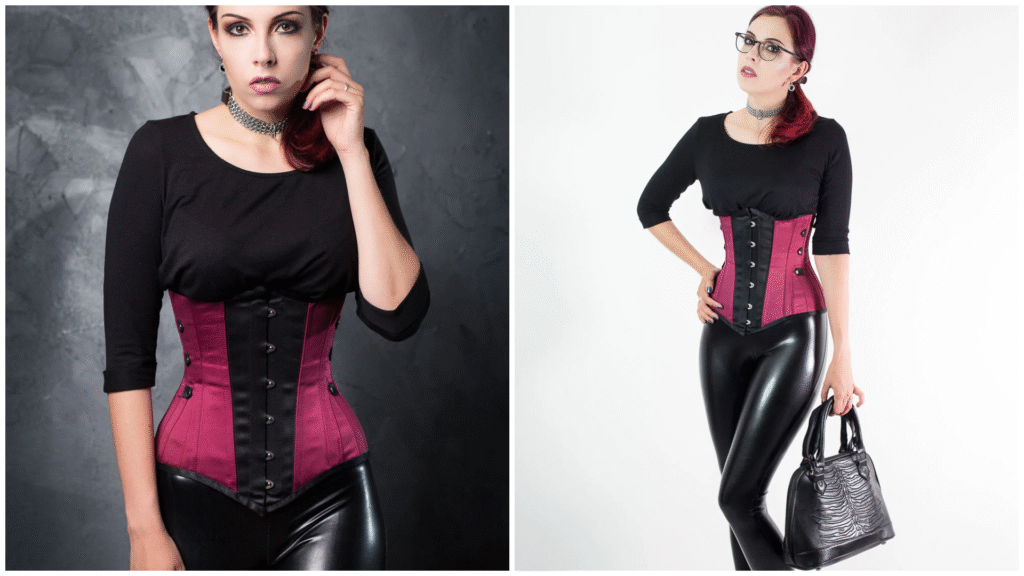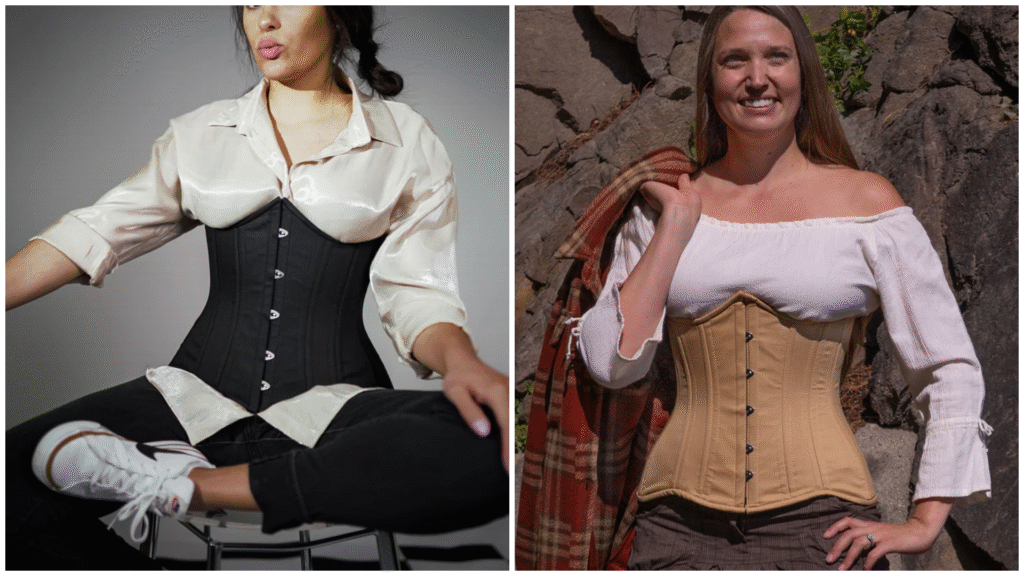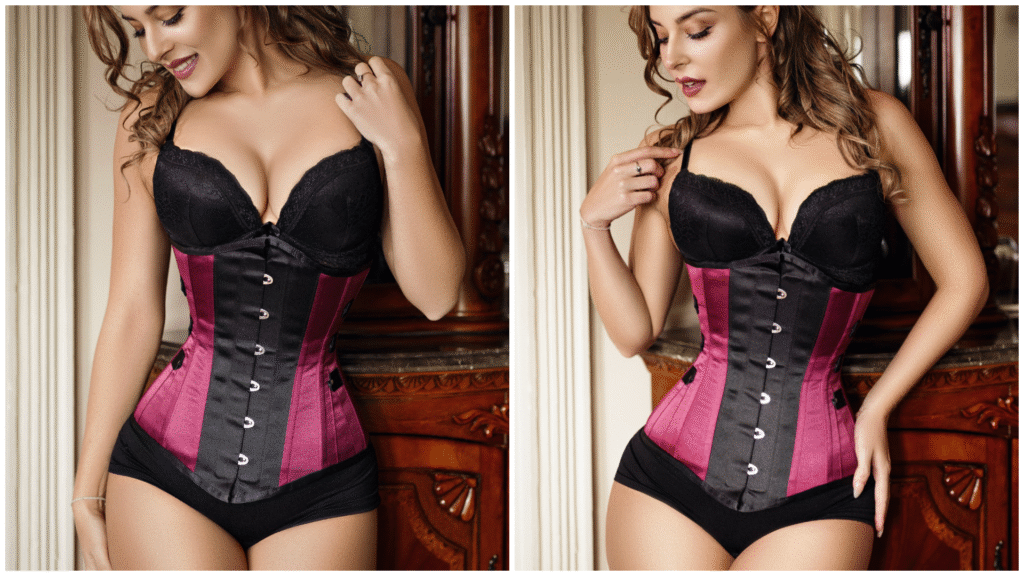



Waist training has become popular not just as a body-shaping technique, but also as a confidence-enhancing fashion statement. However, while the hourglass silhouette might be the ultimate aim of many, commencing your waist training process properly is crucial in order to guarantee safety, comfort, and long-term effectiveness. In this detailed guide (How to Start Waist Training Safely and Effectively), we’re going to guide you through safely and effectively waist training, whether you’re a total newbie or looking to enhance your existing regimen. You’ll discover how to select the most appropriate corset, establish achievable goals, sidestep frequent errors, and notice actual improvements over time.
What is Waist Training?
Waist training is the process of regularly wearing a waist trainer corset or steel boned corset to slowly decrease your waistline and shape your natural curves. Corsets can be used to give you a more defined hourglass shape, improve posture, and stabilize your midsection when worn daily.
In contrast to temporary compression offered by shapewear, waist training has the potential for semi-permanent waist size reduction when done in conjunction with diet, exercise, and regularity. Results differ based on body type, regimen, and the quality of the corset, waist trainer or corsets top worn. For Knowing the further tips keep reading, How to Start Waist Training Safely and Effectively.
Step 1: Define Your Waist Training Goals
Prior to purchasing a corset, it is essential to understand what you are trying to achieve. Ask yourself:
- Do you want to shrink your waist long-term?
- Do you want to enhance posture and back support?
- Are you wearing a corset for fashion or occasional wear purposes only?
- Do you require a day-to-day trainer or a special-occasion item?
Clarifying your goals will enable you to choose the correct corset, schedule, and approach for your requirements.
Step 2: Select the Proper Corset
Picking the correct corset is the most important part of waist training. A poorly constructed corset can be uncomfortable and even injurious. Search for these elements when choosing your initial waist trainer:
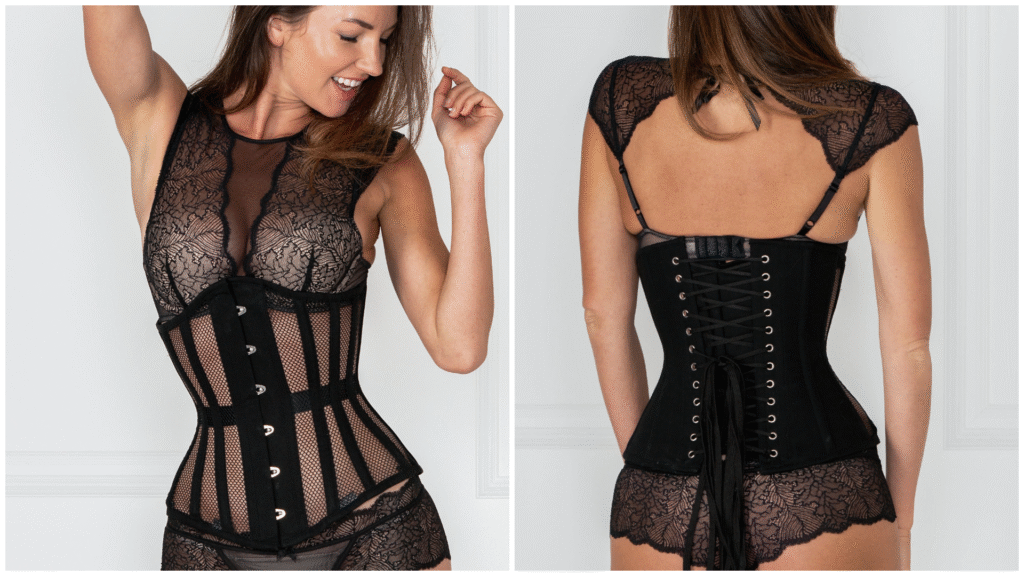
- Steel Boning: Try searching for spiral and flat steel boned corsets, which offer rigid yet forgiving shaping.
- Three-Layer Construction: Good corsets contain two sturdy inner layers (commonly cotton twill) and a stylish outer layer (satin, mesh, leather, etc.).
- Waist Tape: Adding internal waist tape provides strength and prevents the corset from stretching.
- Front Busk Closure: A front steel busk allows for easier on and off wearing.
- Lacing and Modesty Panel: Make sure the corset has back lacing with a modesty panel to safeguard your skin and provide even pressure.
For newbies, Libra silhouette corset or hourglass is a good choice between comfort and waist cinching. Mesh corsets are suitable for hot weather and extended wear because they breathe well.


Step 3: Obtain the Right Size
Never estimate your corset size. Take the following measurements using a flexible tape measure:
- Natural waist (the smallest part of your torso)
- Underbust
- Upper hip
Compare your measurements to the corset brand’s size chart. Your natural waist should be approximately 4–6 inches larger than a properly fitted steel boned corset. For mesh or beginner-friendly corsets, 4 inches is typically sufficient to begin with.
Step 4: Break In Your Corset (Seasoning)
Similar to breaking in new shoes, your corset requires some time to shape itself to your body. It’s referred to as seasoning. In the first 7–10 days:
- Wear your corset daily for 1–2 hours.
- Make the laces tight, but not too tight.
- Gradually increase wear time daily.
- Do not do strenuous activity or sleep in your corset during this period.
- This enables the corset to mold your body shape without warping or discomfort.
Step 5: Create a Waist Training Schedule
After your corset has been broken in, you can begin your normal training regimen. The majority of waist training regimens suggest:
- 4–6 hours per day at first, gradually building up.
- 6–10 hours per day for moderate gains.
- 10+ hours per day for advanced wearers with aims of long-term waist shrinking.
Be aware that consistency is more important than intensity. You don’t have to push yourself. Gradual, steady wear yields the optimum and safest results.
Step 6: Support with Diet and Exercise
Corsets are not magic. For optimal results, waist training should be combined with:
- A balanced, healthy diet.
- Hydration.
- Core-building exercise.
- Good posture habits.
Corsets can reshape your waist and correct your posture, but they won’t burn fat by themselves. Think of them as a supportive device—not a substitute for a healthy way of life.
Step 7: Know the Safety Guidelines
Waist training is safe if done responsibly. Keep these safety guidelines in mind:
- Always tune in to your body—pain is not typical.
- Don’t tighten your corset too much.
- Don’t sleep in a corset until you’re very experienced.
- Don’t wear corsets during extreme physical activity or extreme heat.
- Have rest days so your body can recover.
If you have any health conditions (e.g., breathing problems, digestive problems), talk to your doctor before starting waist training.
Waist Training Myths
Let’s dispel a few common myths:
- “Corsets are dangerous”: Only when abused. A well-made, well-fitted best waist trainer for women worn responsibly is completely safe for the majority of individuals.
- “You can lose fat with a corset”: Corsets don’t burn fat—they mold and compress. Fat loss comes with nutrition and exercise.
- “Waist training gives instant results”: Temporary shaping occurs immediately, but results lasting forever come slowly with persistence.
Final Thoughts
Begin waist training may be a powerful thing to do when done properly. It’s not just a beauty fad—it’s a lifestyle choice in posture, self-control, and shaping the body. With proper steel boned corset, an intelligent routine, and a waiting attitude, you will be able to sculpt your waist safely and reap the rewards of a better posture and self-assurance.
Whether you’re just starting out or refining your technique, always prioritize quality, comfort, and safety which is mentioned in How to Start Waist Training Safely and Effectively. The results will follow with consistency and care.